


Key Takeaways
- Start your moving preparation checklist three weeks out—this gives enough time to sort, donate, and schedule haul-away without rushing.
- Purge room by room in a specific sequence: garage first, then storage areas, then bedrooms, with kitchen and bathroom last.
- Most moves generate at least a half-truck of junk that shouldn’t travel with you—budget time and logistics for this reality.
- Timing your junk removal pickup correctly prevents double-handling and keeps your packing space clear.
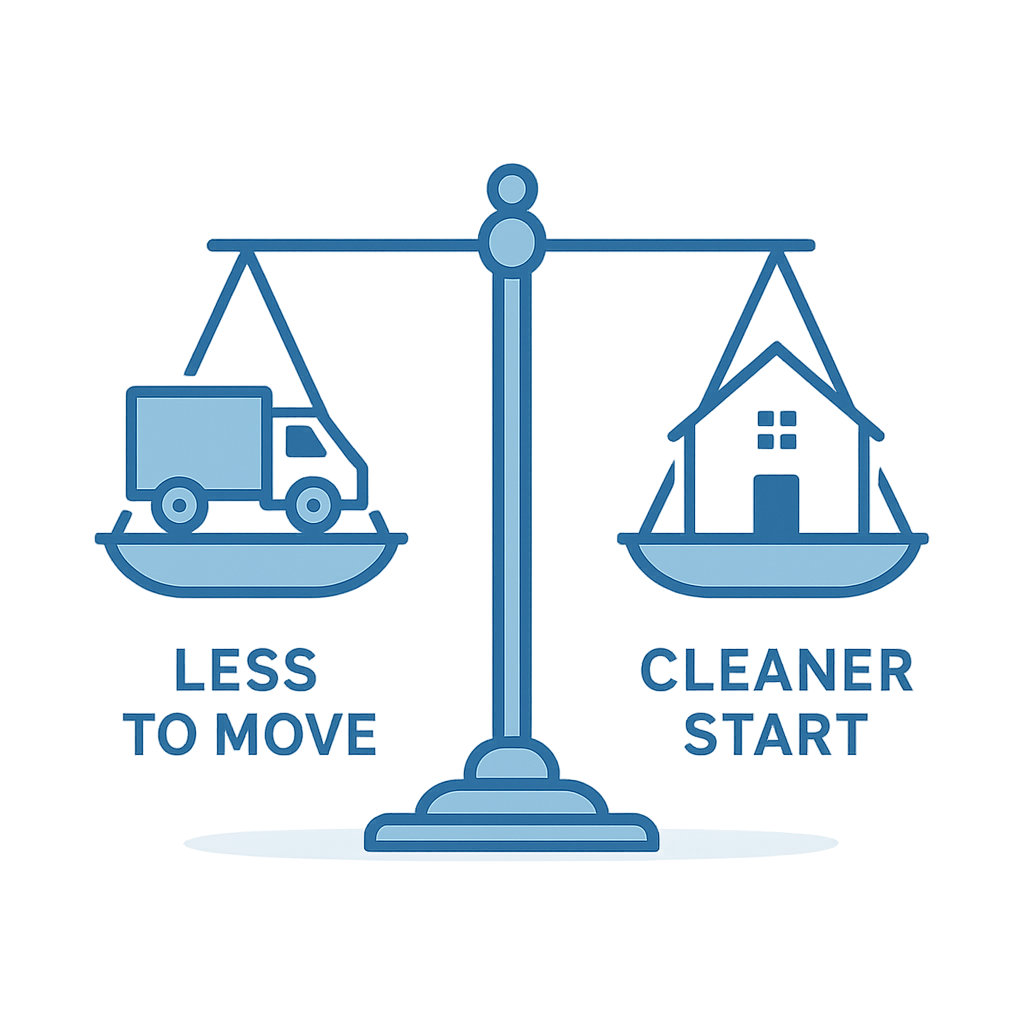
- A pre-move cleanout often pays for itself in reduced moving costs and less unpacking stress at your new place.
After years of showing up to homes mid-move, I can tell you this: the families who prepared ahead look calm. The ones who didn’t are surrounded by boxes, stressed out, and trying to figure out what to do with twenty years of accumulated stuff while the moving truck idles in the driveway. The difference comes down to having a real moving preparation checklist—not just a packing timeline, but a purging and hauling plan that clears the deck before moving day chaos hits.
Why Most Moving Checklists Miss the Biggest Step
Standard moving checklists focus on boxes, tape, and scheduling movers. They skip the step that actually determines how smooth your move goes: deciding what doesn’t come with you and getting it out of your house before packing begins. This purging phase is where we come in constantly—families in Irvine, Mission Viejo, and Newport Beach call us after realizing they’ve been packing things they should have hauled away weeks ago.
Here’s what I’ve learned from doing this work: the average family moving from a three-bedroom home generates a half to full truck load of items they shouldn’t transport. Old furniture, broken appliances, mystery boxes from the garage that haven’t been opened in a decade. Moving these items costs money, takes time, and means unpacking garbage at your new place. The smart move is getting rid of it first.
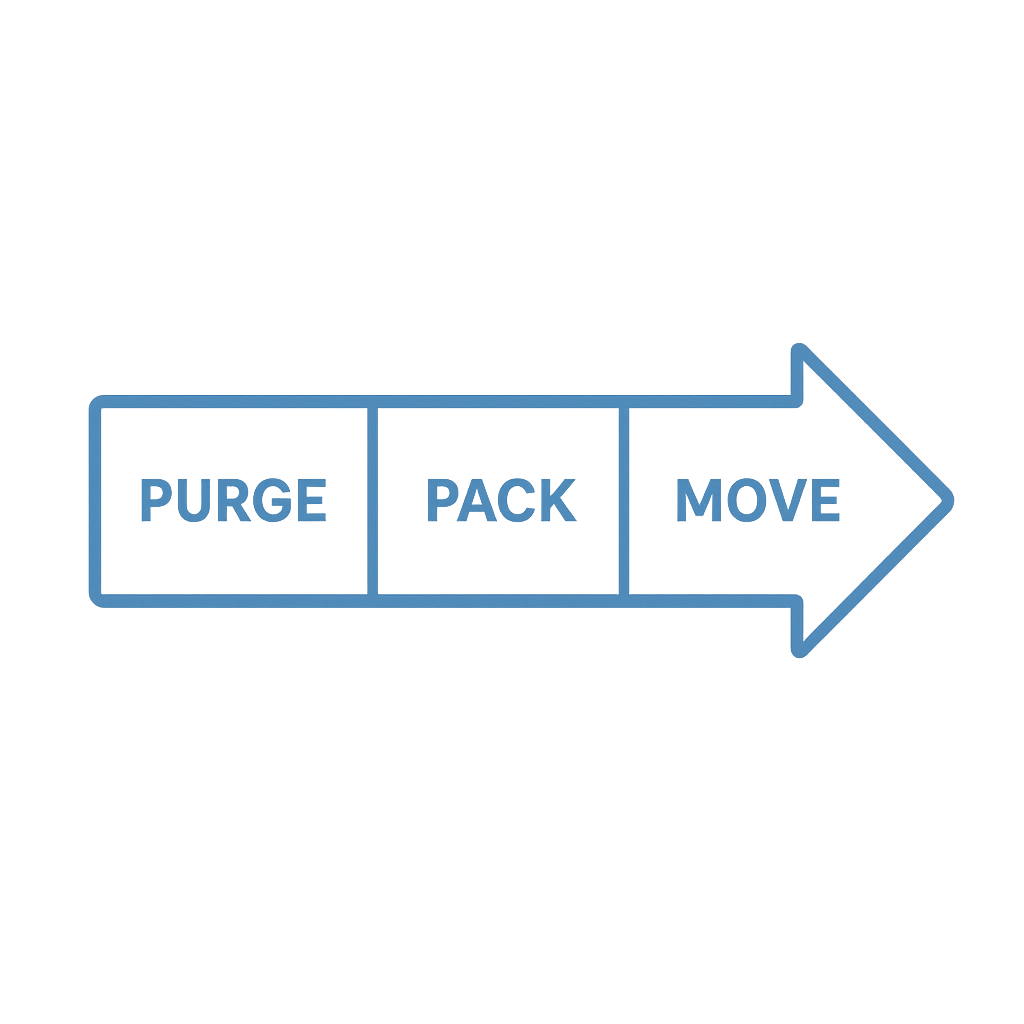
The Three-Week Countdown: When to Do What
Based on how we schedule pickups and what works for families actually going through this, three weeks is the sweet spot for starting your pre-move cleanout. Less time creates pressure and scheduling conflicts. More time lets momentum stall out. Here’s the framework that actually finishes.
Week Three: Garage and Storage Spaces
Start where the most accumulation lives. Garages in Orange County become storage units over time—I’ve seen families in Laguna Niguel who haven’t parked a car inside for years because of accumulated stuff. Sports equipment nobody uses, tools from projects that ended a decade ago, broken furniture waiting for repairs that will never happen. Pull everything out, sort it, and make your keep-donate-haul decisions while you have time to schedule each.
This phase alone typically fills a half-truck for us. Getting it done first creates staging space for the rest of your purging and keeps your moving prep from bottlenecking later.
Week Two: Bedrooms, Closets, and Attics
Once storage spaces are clear, work through bedrooms and closets. Clothes that don’t fit, old mattresses, furniture that won’t work in your new layout. If you have an attic to clear out, this is the week to tackle it while you still have garage staging space available.
The bedroom phase generates the most donation-worthy items—clothes, books, small furniture. Coordinate with local donation pickups during this week so items leave promptly rather than sitting around creating obstacles.
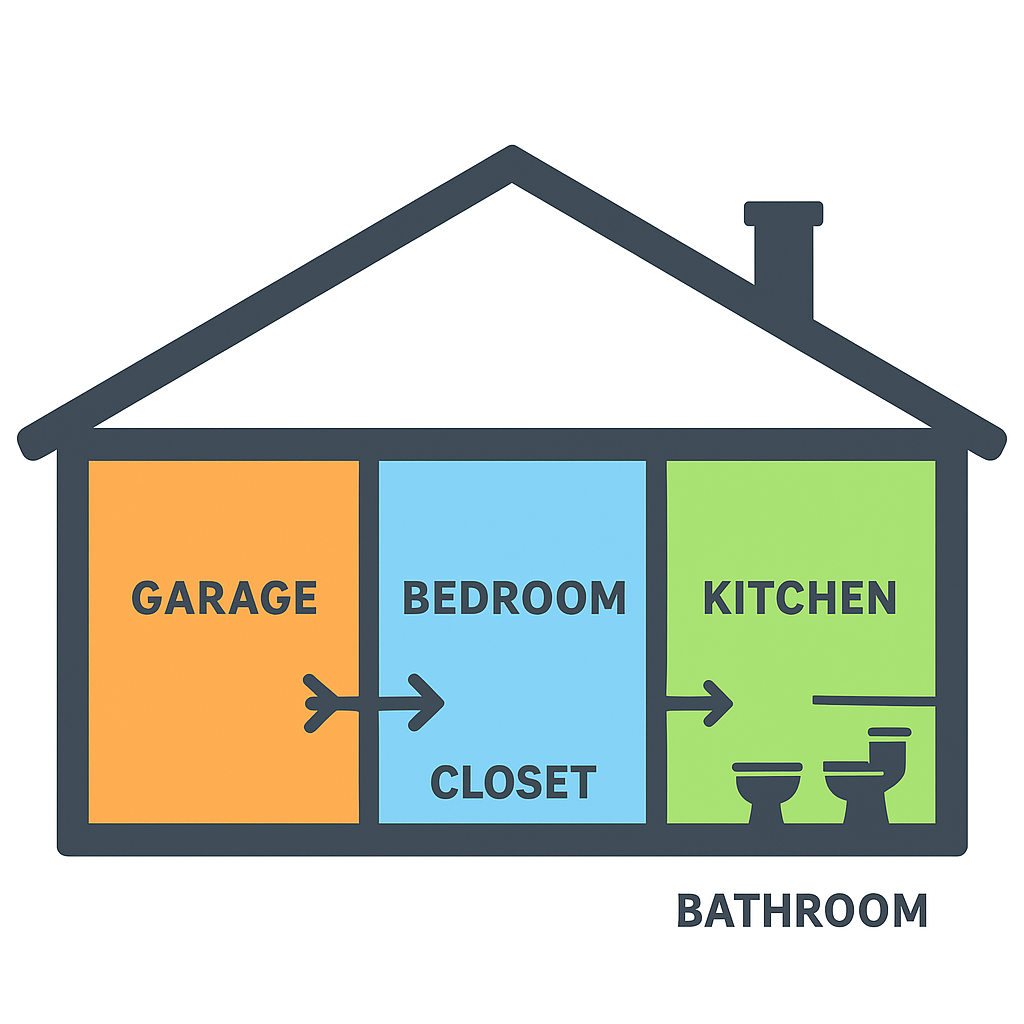
Week One: Kitchen, Bathroom, and Final Sweep
Kitchen and bathroom come last because you’re still using them daily. During the final week, pull expired items, old appliances you’re replacing, and anything you’ve been “meaning to deal with.” Schedule your junk removal pickup for mid-week—early enough to clear space for final packing, but late enough to catch last-minute items you discover.
The Reverse Staging Approach
Real estate agents tell sellers to stage their homes—remove personal items, clear clutter, make spaces feel bigger. Here’s something I’ve noticed from our estate cleanouts and move-out jobs: treating your move like you’re staging to sell, even when you’re not, makes the entire process smoother.
Walk through each room asking: would a buyer see this as adding value, or would they mentally subtract it? That exercise cuts through sentimental hesitation faster than anything else. The old couch you’ve been keeping “just in case” suddenly looks different when you frame it as something you’d have to stage out anyway.
Families in Costa Mesa and other competitive real estate markets often do sell shortly after buying elsewhere. Starting the purge early means less scramble if that timeline accelerates.
Timing Your Junk Removal Pickup
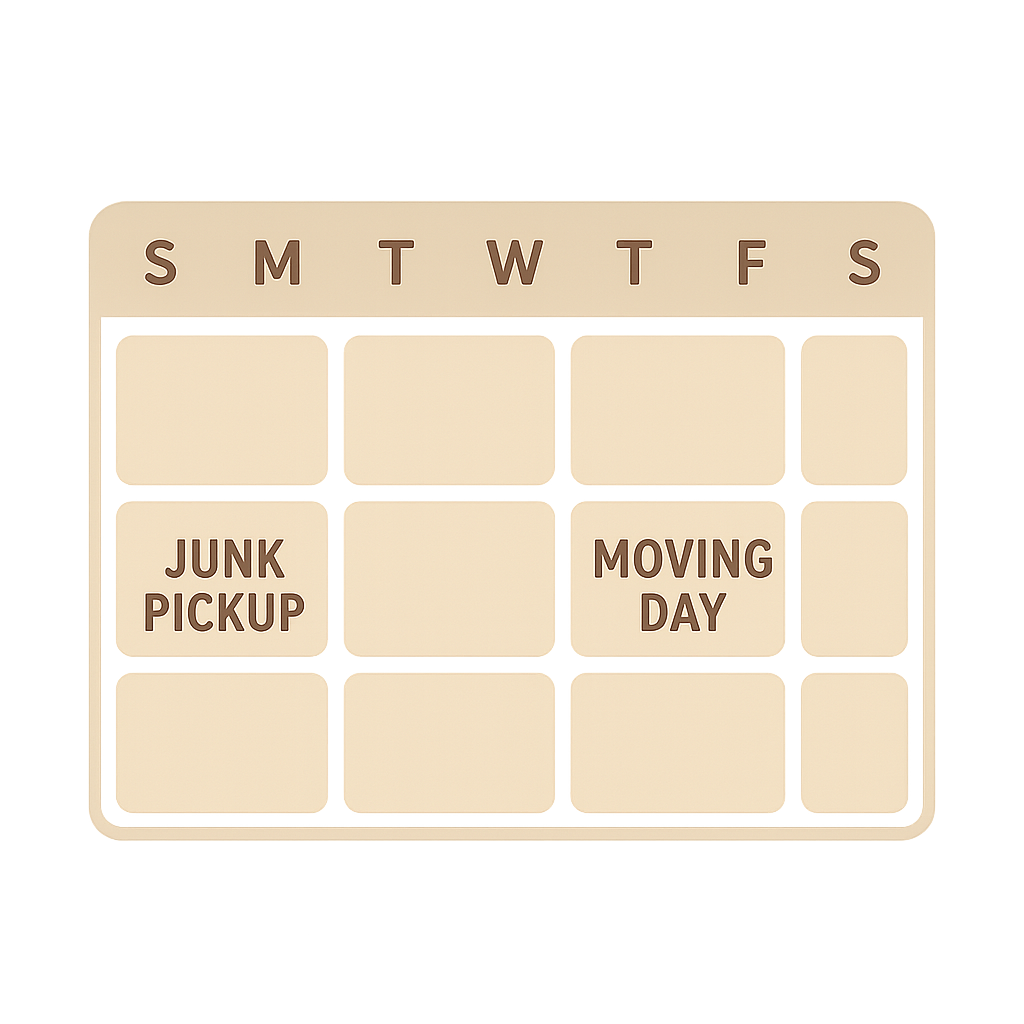
The biggest mistake I see is scheduling junk removal for the day before the move. By then, you’re packing frantically, the driveway is blocked, and there’s no time to sort properly. Schedule haul-away for at least three to four days before moving day. This gives buffer for preparing the pickup properly—clear pathways, items staged accessibly, no last-minute scrambling.
If your cleanout generates more than expected (this happens constantly), having days of cushion lets you add a second pickup without derailing your moving timeline.
What Actually Fills the Truck
After hundreds of pre-move cleanouts, I can tell you what consistently shows up: the old mattress being replaced at the new place, the couch that won’t fit through the new doorway, the treadmill that became a clothes rack, broken patio furniture, and whatever’s been hiding in the garage since the last move. Add in old appliances that aren’t worth moving, and most families hit half-truck to full-truck loads.
One note: if your move involves disconnecting old appliances like water heaters or washers, you might find plumbing issues hiding behind them. Our sister company in Huntington Beach, Blue Island Plumbing, handles those discoveries—sometimes what looks like a junk removal job reveals a repair need first.
The Cost Math That Justifies Pre-Move Purging
Moving companies charge by weight or truck space. Every item you haul to your new home costs money to transport, unload, and eventually deal with anyway. The couch you don’t really want? It costs to move it, costs space in your new home, and eventually costs to remove when you finally replace it.
Families who purge aggressively before moving typically save enough in reduced moving costs to offset their haul-away expense—and they move into cleaner, more organized spaces. We see this constantly with clients throughout Orange County.
Your Pre-Move Action Items
Ready to get started? Begin with your garage this weekend. Pull everything into the driveway, sort into keep-donate-haul piles, and see what you’re actually working with. Most families are surprised by the volume. Once you know what needs to go, schedule your haul-away pickup with enough lead time to stay ahead of your packing.
Frequently Asked Questions
How far in advance should I schedule junk removal before moving?
Three to four days before your moving date works best. This provides buffer time if the cleanout reveals more items than expected, and ensures your space is clear for final packing without feeling rushed. Avoid scheduling for the day before—that creates too much overlap with moving prep.
What items should I purge first when preparing to move?
Start with your garage and storage areas. These spaces hold the most accumulated items and clearing them first creates staging room for sorting items from other rooms. Work from storage spaces toward daily-use rooms, finishing with kitchen and bathroom in the final week.
Can I donate items during my pre-move cleanout?
Absolutely. Week two of your prep is ideal for donation coordination—you’ll have clothing, furniture, and household items ready, and you’ll still have time for donation organizations to schedule pickups. Be aware that many organizations have restrictions on what they accept, so research ahead.
How much junk does a typical move generate?
Most three-bedroom homes generate between a half-truck and full-truck load of items that shouldn’t be moved. This includes old furniture, broken appliances, garage accumulation, and items discovered during packing that should have been purged years ago.
Should I pack first or purge first?
Always purge first. Packing items you’ll eventually discard wastes time, boxes, and space. Complete your sorting and haul-away before buying packing supplies—you’ll have a clearer picture of actual volume and avoid packing things you should have removed.
What if I find more junk than expected during my move prep?
This happens constantly. Having your initial junk removal pickup scheduled three to four days before moving day gives buffer time to add a second pickup if needed. Don’t wait until the last day—discovering extra items then creates real problems.
Need help clearing out before your move? We handle full-truck cleanouts throughout Orange County, from Newport Beach to San Clemente. Give us a call at (714) 769-5070 to schedule your pre-move haul-away and get moving day started right.
About the Author
Chris — Founder & Owner, United Junk Removal
Chris is the founder and owner of United Junk Removal, a locally owned Orange County junk removal company. A longtime Orange County resident, Chris spent years working in mortgage lending, debt consolidation, and financial restructuring before launching United Junk Removal with a single truck and a commitment to exceptional customer service. Today, the company serves homeowners and businesses throughout Orange County and is expanding into residential moving services. Chris writes about junk removal, moving, property cleanouts, and home service best practices based on his hands-on experience helping customers throughout Southern California.