


Key Takeaways
- Small moves under 1,500 pounds of total cargo can often be handled DIY—above that threshold, injury risk and vehicle damage climb fast without proper equipment.
- Stairs, tight hallways, and Orange County parking restrictions (especially in Irvine and Newport Beach condos) add complexity that tips the scale toward professional help.
- Combined move-and-haul jobs let you purge items that don’t deserve a new address, saving time and truck space on move day.
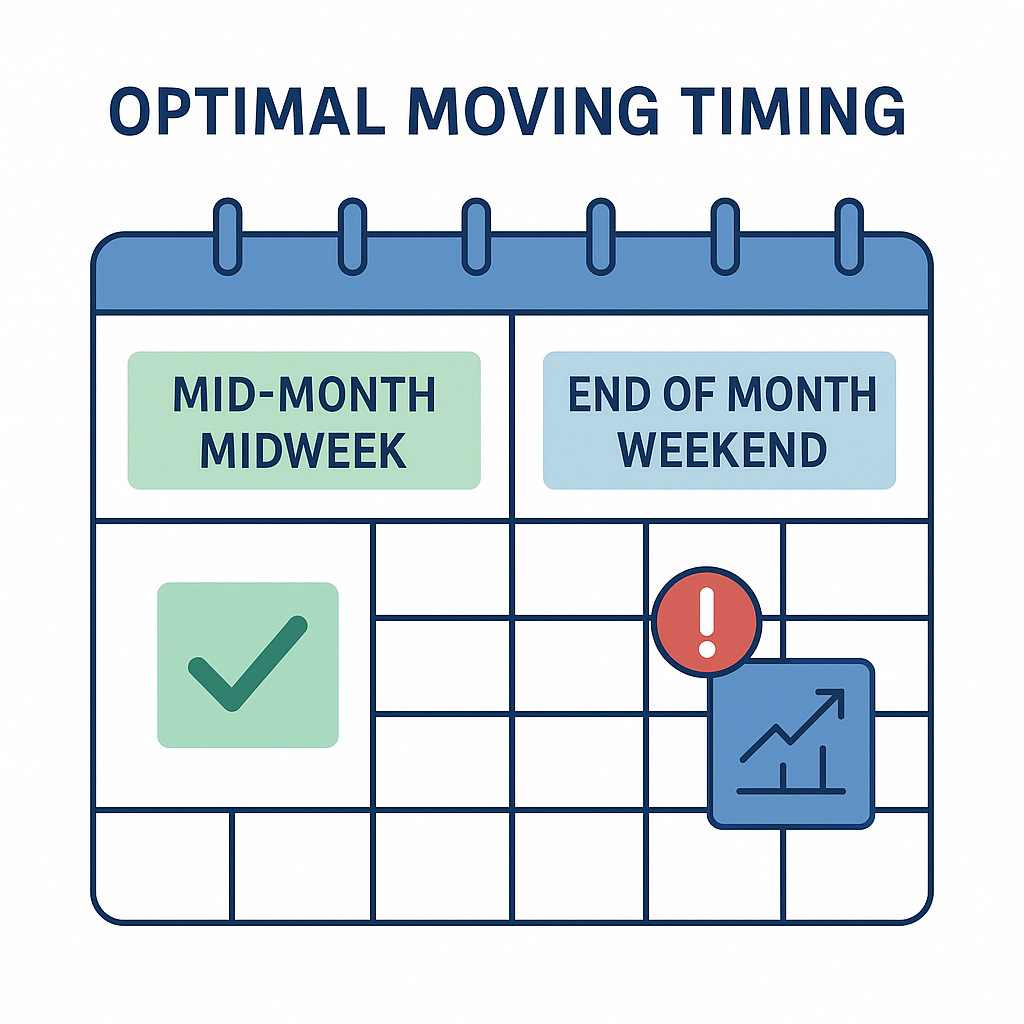
- Booking midweek and mid-month typically means faster scheduling and more flexibility than end-of-month weekend rushes.
- Insurance, licensing, and equipment separate legitimate movers from risky alternatives—ask before you book.
Moving a studio apartment across Tustin or relocating a home office from Huntington Beach to Mission Viejo doesn’t require a fleet of semis. But it’s also not as simple as borrowing a friend’s pickup. After helping hundreds of Orange County homeowners move and haul, our team has seen the full spectrum—from smooth three-hour relocations to DIY attempts that ended with a busted dresser in a stairwell. Here’s how to figure out which approach actually fits your situation.
What Counts as a “Small” Local Move?
A small move typically involves one to two rooms of furniture, a studio or one-bedroom apartment, or a partial household relocation—think a college student coming home, an elderly parent moving into assisted living, or a home office setup heading to a new location. Generally, if everything fits in a single truck load, it qualifies.
Volume matters, but weight matters more. Most homeowners underestimate how heavy furniture actually is. A standard sleeper sofa runs 200+ pounds. A solid wood dresser can hit 150. Stack up a bed frame, mattress, a few bookshelves, and some boxes, and you’re looking at 1,500 pounds or more—well beyond what’s safe to muscle into a rented cargo van without equipment.
Geography plays a role too. Moving from one Irvine condo complex to another sounds easy until you factor in elevator scheduling, underground parking height restrictions, and HOA move-in windows. These logistical details can double your time if you’re not prepared.

When Does DIY Actually Make Sense?
DIY works best when you’re moving lightweight items, have reliable help, and face minimal access challenges. If your total cargo stays under that 1,500-pound mark and nothing requires two-person carrying, you can likely handle it yourself with a rented truck or trailer.
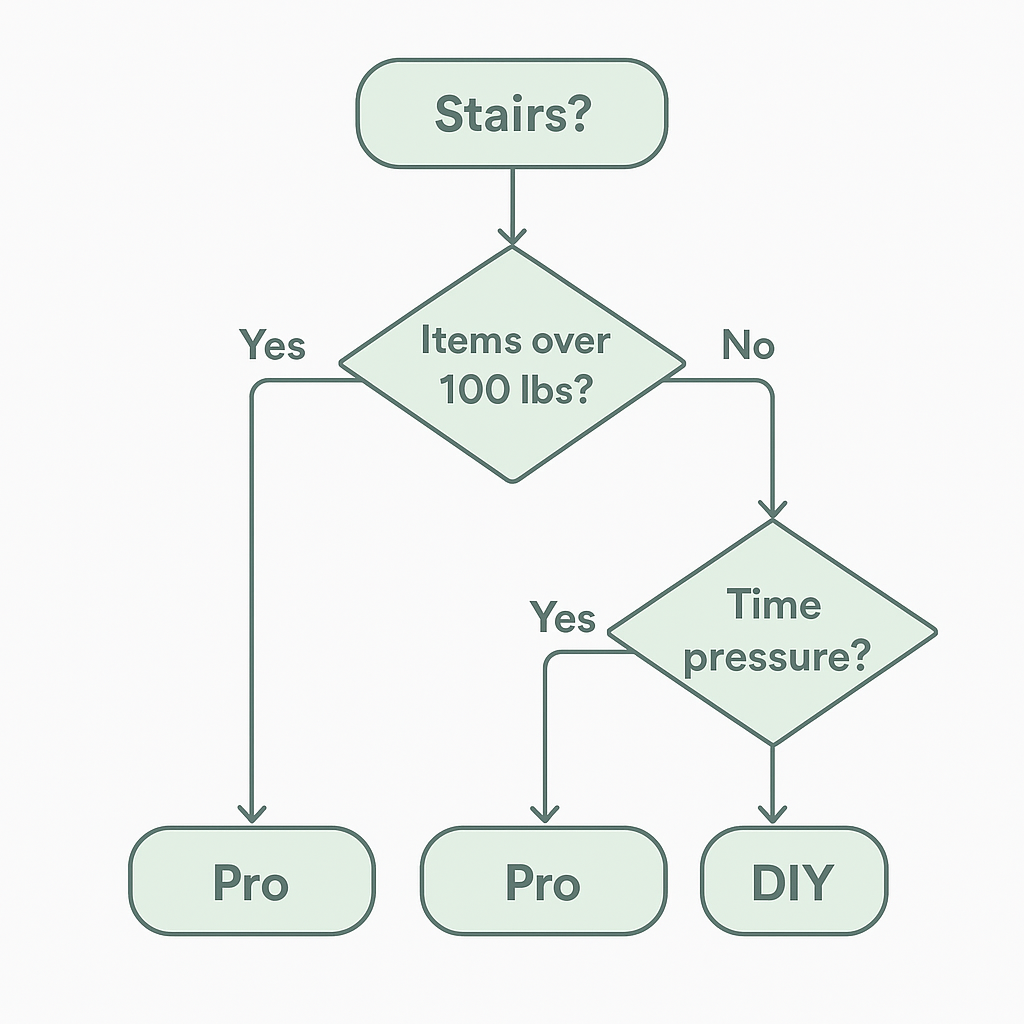
The ideal DIY scenario includes: no items over 100 pounds, ground-floor units or homes with wide doorways, flexible timing (not rush weekend), and at least two able-bodied helpers who actually show up. Miss any of those conditions, and the equation shifts.
Cost savings on small DIY moves often evaporate when you factor in truck rental, fuel, moving blankets, dollies, and pizza for your friends. Add a scratched floor or a back tweak, and the “savings” disappear entirely. Before committing to DIY, total up the real costs—not just the truck rental sticker price.
What Pushes a Small Move Toward Professional Help?
Certain factors consistently tip small moves into “hire someone” territory. Stairs are the biggest one. Moving a queen mattress down a narrow staircase requires technique, not just muscle. Second-floor apartments in older Costa Mesa buildings or split-level homes throughout Orange County demand careful navigation.
Heavy specialty items also change the math. Pianos, gun safes, marble-top furniture, and appliances require equipment most homeowners don’t own—piano boards, appliance dollies, and lifting straps. Attempting these without proper gear risks injury and property damage.
Time pressure matters too. If you need everything out by 5 PM because the new tenant is moving in, professionals work faster because they do this daily. Our crews average about half the time most DIY movers take for equivalent loads—not because they rush, but because they don’t spend twenty minutes figuring out how to angle the couch through the doorway.
The Combined Move-and-Haul Strategy
Here’s something most moving companies won’t tell you: a significant percentage of what people move doesn’t deserve a new address. Old particle board furniture, worn-out mattresses, broken exercise equipment—these items cost money to transport, then take up space in your new place.
Because our trucks handle both junk removal and small moves, we see a natural opportunity. Sort before you move. Items heading to donation or disposal go on the truck first, delivered to appropriate facilities. Items heading to your new place get loaded second. One crew, one truck, one day—and you arrive at your new home with only what actually belongs there.
This approach works particularly well for downsizing moves. When a parent relocates from a four-bedroom home in Yorba Linda to an assisted living apartment, half the household needs to go somewhere other than the new place. Coordinating separate junk removal and moving crews doubles scheduling headaches. Combined service simplifies everything.
If you’re already planning to declutter your garage before a move, this same-truck approach means one booking instead of two.
What About Hiring Day Laborers?
Homeowners sometimes ask why they shouldn’t just hire workers from outside a home improvement store. It’s a fair question, and I’ll give you a straight answer.
Day laborers may cost less per hour, but they bring no insurance, no licensing, and no accountability. If someone gets hurt on your property, you’re potentially liable. If items get damaged or go missing, you have no recourse. If the job takes longer than expected, there’s no contract governing the outcome.
Licensed, insured movers carry workers’ comp coverage that protects you from liability. They have commercial auto insurance covering your belongings in transit. And they have a business reputation that depends on completing jobs properly. The hourly rate difference often reflects exactly this gap in risk transfer.

How to Prepare for a Small Move
Whether you go DIY or hire help, preparation determines how smoothly move day goes. The “staging room” method works well for small moves: designate one room or area where everything heading out gets consolidated the day before. Movers—professional or your cousin with a truck—can load from a single location instead of hunting through the house.
Disassemble what you can in advance. Bed frames, tables with removable legs, and modular shelving all move faster when broken down. Keep hardware in labeled bags taped to the item. This alone can shave 30 minutes off loading time.
Confirm parking and access ahead of time. Many Newport Beach and Irvine condo complexes require elevator reservations and loading zone permits. Street parking in older neighborhoods may require temporary permit signs. Handle these logistics before the crew arrives, not while the truck idles.
Our moving preparation checklist covers these steps in detail if you want a complete walkthrough.
Timing Your Small Move
End-of-month weekends are the busiest time for movers everywhere, and Orange County is no exception. Leases typically end on the last day of the month, so everyone scrambles for the same Saturday or Sunday slots. Availability tightens and scheduling becomes inflexible.
Midweek moves (Tuesday through Thursday) and mid-month timing typically mean easier booking and more flexibility if your schedule shifts. If your lease allows it, moving on a Wednesday beats fighting for Saturday availability.
For combined move-and-haul jobs, booking a few days ahead lets crews plan routing efficiently. Same-day service exists for urgent situations, but a little advance notice means better time windows.
Ready to get your small move scheduled? Book your move or call us at (714) 769-5070 to talk through your specific situation.
Frequently Asked Questions
How much stuff fits in one truck load for a small move?
A standard junk removal and moving truck holds roughly the equivalent of a one-bedroom apartment—bed, dresser, sofa, dining set, and 15-20 boxes. If you’re moving a studio or partial household, one load typically covers it. Larger items like pianos or safes take up proportionally more space.
Can you move and haul away junk on the same trip?
Yes. Because our trucks serve both purposes, combined jobs are actually more efficient than booking separate services. Items being discarded or donated load first, then moving items load second. Same crew, same truck, one trip.
Do I need to be present during the move?
Someone needs to be present at both pickup and delivery locations to direct the crew and confirm completion. This can be you, a family member, or anyone authorized to make decisions about item placement and sign off on the job.
What items can’t you move?
Hazardous materials (propane tanks, certain chemicals, ammunition) can’t go on the truck for safety and legal reasons. Extremely valuable items like fine art or jewelry should be transported personally or via specialty insurers. Everything else—furniture, appliances, boxes, household goods—we handle.
How far in advance should I book a small local move?
A week’s notice works well for most small moves. End-of-month weekends may require two weeks for preferred timing. Same-day service is sometimes available for urgent needs, but advance booking ensures you get the time slot that works best.
What makes a small move go faster?
Pre-staging items in one location, disassembling furniture in advance, clearing pathways, and confirming parking access all reduce loading time significantly. The less decision-making required on move day, the quicker the job completes.
Small moves don’t have to be complicated. Whether you’re relocating across town or just need help getting heavy furniture from point A to point B, the right approach depends on your specific situation. Have questions about your move? Schedule a free estimate and we’ll help you figure out the best path forward.
About the Author
Chris — Founder & Owner, United Junk Removal
Chris is the founder and owner of United Junk Removal, a locally owned Orange County junk removal company. A longtime Orange County resident, Chris spent years working in mortgage lending, debt consolidation, and financial restructuring before launching United Junk Removal with a single truck and a commitment to exceptional customer service. Today, the company serves homeowners and businesses throughout Orange County and is expanding into residential moving services. Chris writes about junk removal, moving, property cleanouts, and home service best practices based on his hands-on experience helping customers throughout Southern California.