

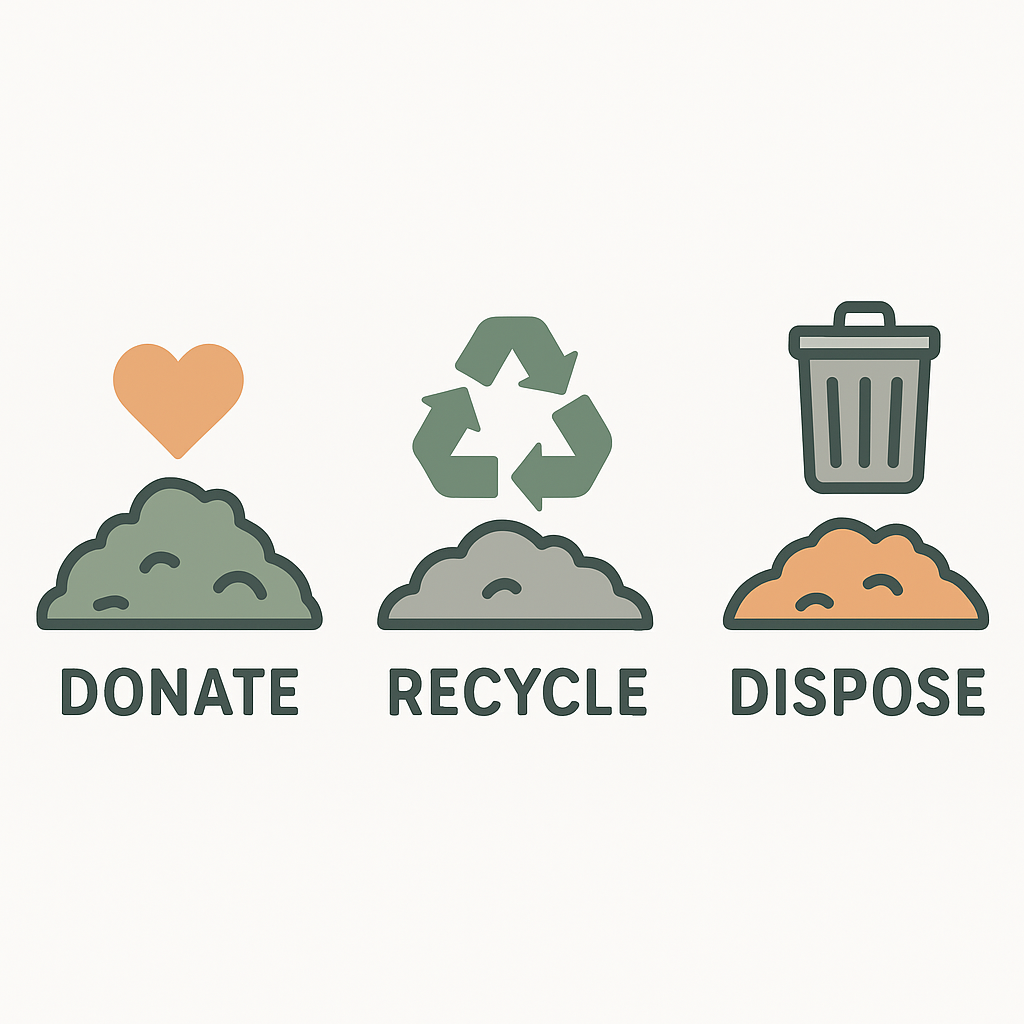
Estate cleanouts are where this matters most. When a family is clearing a loved one’s home after a loss, the last thing they want is everything going straight to the dump. We hear it constantly: “Can any of this be donated?” The answer is almost always yes — more than people expect.
Why Electronics Matter So Much for Charity
Electronic donations have an outsized impact compared to other items. A working laptop or tablet doesn’t just provide entertainment — it provides connection. Organizations focused on helping children with serious medical conditions understand this deeply. Kids isolated in hospital rooms can video chat with friends, watch their favorite shows, or simply feel normal for a few hours.
The Mikey’s Way Foundation has made this their mission for years, getting devices into the hands of children who need them most. While I can’t speak to their specific operations, what I can tell you is that organizations like this exist, they do real good, and they depend on donated electronics to keep going.
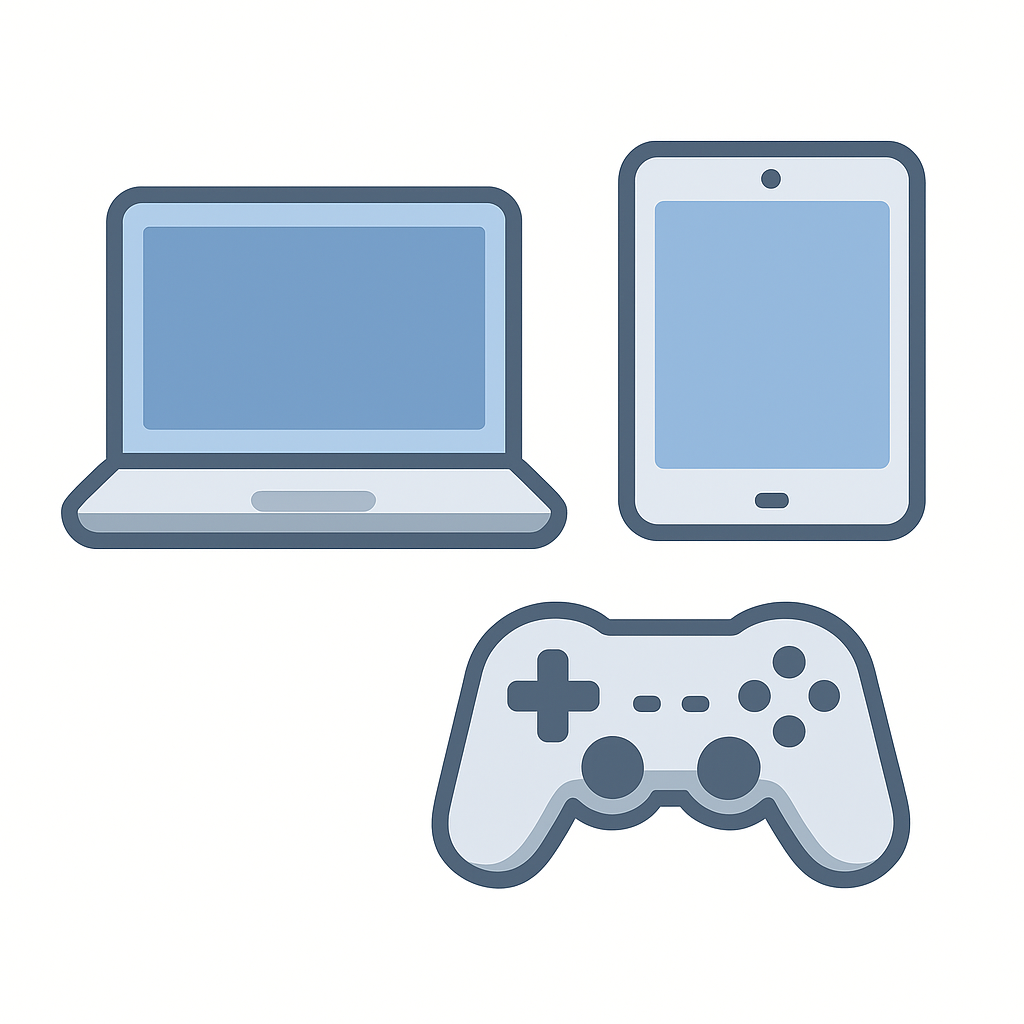
Here’s what we see that most homeowners don’t realize: that “outdated” laptop from 2018? It’s perfectly usable for a child. The iPad with the cracked case but working screen? Donation-worthy. Even gaming systems that your teenager outgrew years ago can make a real difference.
What Charities Actually Accept (And What They Don’t)
One of the biggest frustrations in donation is showing up with items a charity can’t use. After years of coordinating with local organizations throughout Irvine, Lake Forest, and surrounding areas, we’ve learned what moves and what doesn’t. This knowledge saves our customers time and prevents usable items from ending up in landfills anyway.
Electronics that charities typically accept:
- Working laptops and desktop computers (even older models)
- Tablets and e-readers in functional condition
- Gaming consoles with controllers
- Smartphones without carrier locks
- Small appliances in working order
Items that often get rejected:
- CRT monitors and old tube TVs (recycling fees make these problematic)
- Printers (ink costs make these hard to rehome)
- Electronics with missing power cords
- Broken screens without documentation of functionality
The furniture story is similar. Clean, functional pieces move quickly. Stained mattresses, broken frames, and worn-out upholstery don’t. Understanding this before your cleanout helps everyone involved — you, us, and the eventual recipients. We’ve covered the donation versus disposal decision in detail before, and it’s worth reading if you’re planning a larger cleanout.
Estate Cleanouts: Where Donation Matters Most
There’s something especially meaningful about handling a deceased family member’s belongings with care. When we work estate cleanouts in Orange County, families often share stories about the items. That sewing machine belonged to grandma. That tool chest was dad’s pride and joy. The electronics were gifts given with love.
These aren’t just things — they’re connections to someone who mattered. And for many families, knowing those items will help someone else provides genuine comfort during a difficult process.
We recently handled a full-house cleanout in Yorba Linda where the family assumed everything would need to be hauled to the dump. By the time we finished sorting, nearly a third of the items were donation-ready — working appliances, gently-used furniture, and yes, several electronics including laptops and a perfectly functional tablet.
How to Prepare Items for Donation During Your Cleanout
If you’re planning a cleanout and want to maximize donation, a little preparation goes a long way. You don’t need to pre-sort everything — that’s part of what you’re paying us for — but having a general sense of what’s functional versus truly broken helps the process move faster.
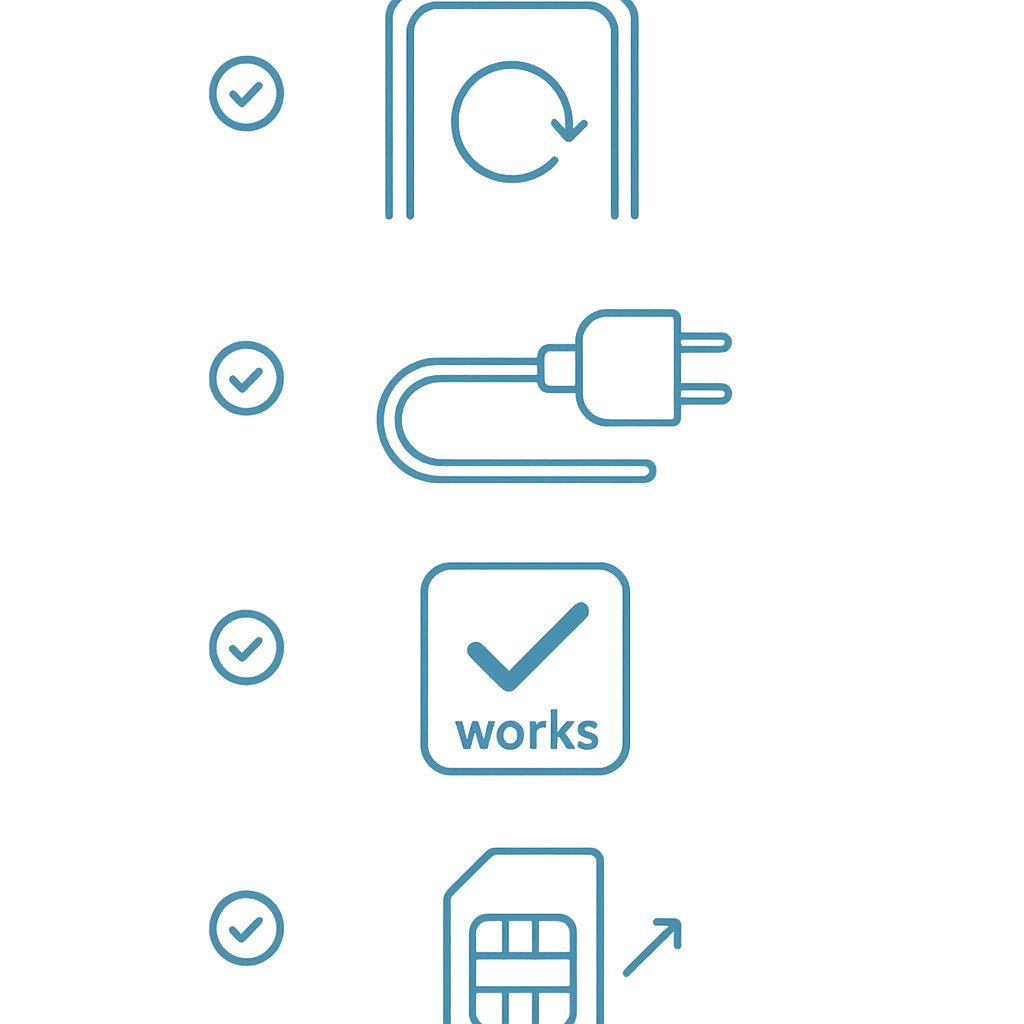
For electronics specifically:
- Wipe personal data before the cleanout (factory reset when possible)
- Gather power cords and chargers with their devices
- Note which items power on and which don’t
- Remove SIM cards from phones
This isn’t about creating extra work for you. It’s about making sure your items actually reach someone who can use them. A laptop without its charger is much harder to donate than one with all its accessories.
Choosing a Hauler Who Prioritizes Donation
Not every junk removal company takes the time to sort for donation. It’s faster — and therefore more profitable — to throw everything in the truck and head straight to the transfer station. When you’re booking a cleanout, it’s worth asking directly: “Do you sort for donation?”
At United Junk, we’ve made this a core part of how we operate. It takes more time, but it aligns with what our customers actually want. Nobody in Costa Mesa or Dana Point calls us hoping their mother’s belongings end up in a landfill. They call hoping we’ll treat those items with respect — and that includes finding them new homes when possible.
Ready to schedule a cleanout where donation is the priority? Schedule a free estimate and we’ll walk through exactly how we handle your items.
Frequently Asked Questions
What happens to donated items after junk removal?
Donation-worthy items are transported to local charity partners, thrift stores, or specialized organizations depending on the item type. Electronics often go to groups that refurbish and redistribute them. Furniture and household goods typically go to thrift operations that sell them to fund charitable work.
Can I get a tax receipt for donated items during my cleanout?
Tax documentation depends on the receiving charity’s policies, not the hauler. We can direct your donation-ready items to organizations that provide receipts when requested, but you’ll need to coordinate directly with them for documentation. We’re happy to share which charities we work with.
Do you donate items from all cleanouts or just estate cleanouts?
We sort for donation on every job — garage cleanouts, storage unit clearances, full-house cleanouts, everything. Estate cleanouts tend to yield the most donation-worthy items simply because they involve entire households, but any cleanout can include perfectly usable goods.
What if I want specific items to go to a particular charity?
Just let us know before the cleanout. If you have a specific organization in mind — whether it’s a local church, a veterans’ group, or a children’s charity — we can often accommodate that request. Some charities have pickup limitations, so advance notice helps us coordinate.
How do electronics donations actually help sick children?
Organizations focused on hospitalized children provide donated electronics so kids can stay connected during treatment. A tablet lets a child video chat with classmates, watch favorite shows, or play games during long hospital stays. The devices provide normalcy and connection during incredibly difficult times.
Does sorting for donation cost more?
We don’t charge extra for donation sorting — it’s built into how we operate. Our pricing is based on the volume of items removed, not how we process them afterward. Choosing donation over landfill is simply the right thing to do, not an upsell.
If you’ve got a cleanout coming up in Orange County and want to make sure usable items find new homes, give us a call at (714) 769-5070. We’ll handle the sorting, the hauling, and the donation coordination — you just point us to the junk.
About the Author
Chris — Founder & Owner, United Junk Removal
Chris is the founder and owner of United Junk Removal, a locally owned Orange County junk removal company. A longtime Orange County resident, Chris spent years working in mortgage lending, debt consolidation, and financial restructuring before launching United Junk Removal with a single truck and a commitment to exceptional customer service. Today, the company serves homeowners and businesses throughout Orange County and is expanding into residential moving services. Chris writes about junk removal, moving, property cleanouts, and home service best practices based on his hands-on experience helping customers throughout Southern California.