


Key Takeaways
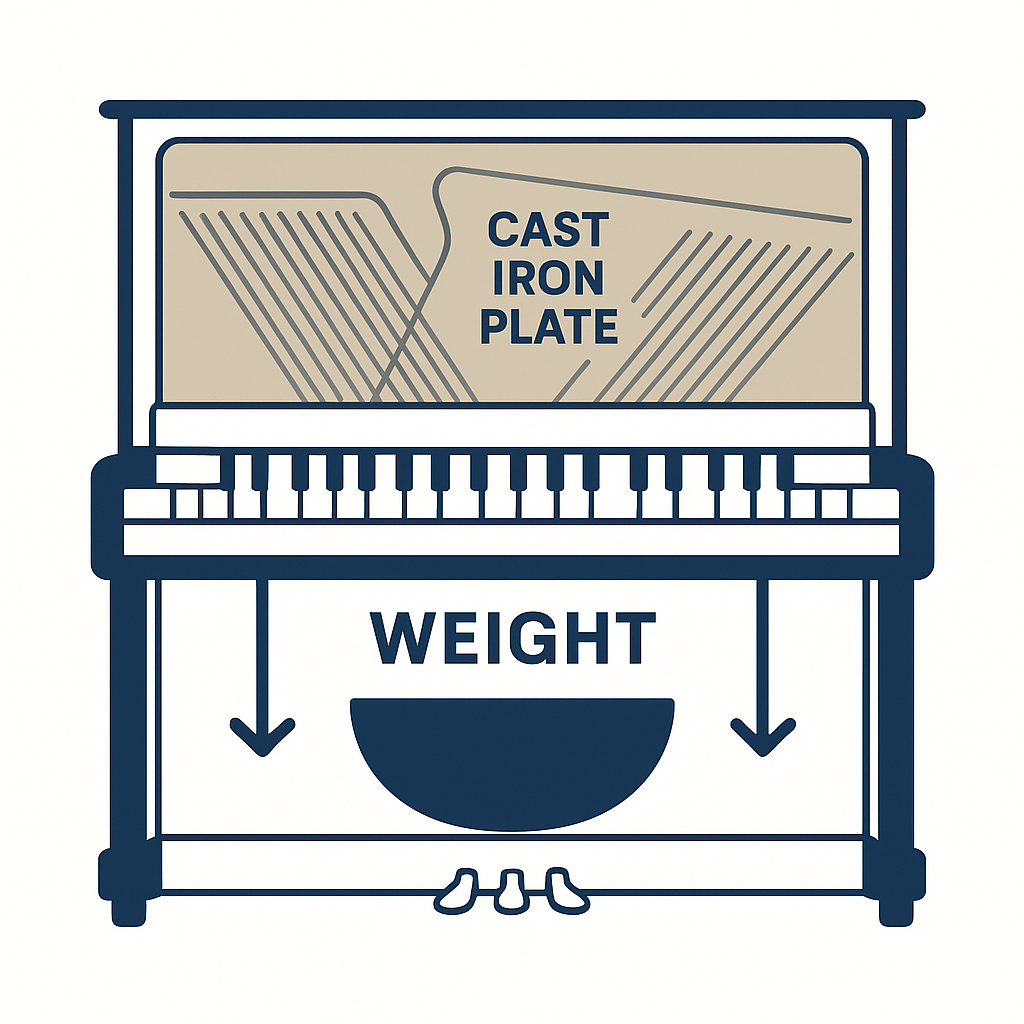
- Pianos require specialized removal because of their weight distribution—a standard upright can weigh 400-900 pounds with most mass concentrated in the cast iron plate.
- Most traditional moving companies decline piano jobs, making junk removal crews with the right equipment your best option for disposal.
- Donation isn’t always possible—many charities stopped accepting pianos years ago, but some local programs in Orange County still do.
- Prep work matters: clearing a path, removing obstacles, and communicating stairway details upfront prevents delays and keeps your walls intact.
- Licensed haulers handle disposal legally, which matters because pianos can’t go in standard landfills in most California jurisdictions.
That old piano in your living room seemed like a great idea fifteen years ago. Maybe the kids took lessons. Maybe you had visions of dinner parties with someone playing standards. Now it’s a dust collector that nobody touches, and you’ve finally decided it needs to go. The problem? Getting a piano out of a house is nothing like moving a couch. I’m Chris, and we handle piano removals throughout Orange County—here’s what you should actually know before you book.
Why Is Piano Removal So Different From Regular Junk Hauling?
Pianos aren’t just heavy—they’re awkwardly heavy. Unlike a refrigerator or a sectional sofa, a piano’s weight isn’t evenly distributed. The cast iron harp inside (the frame that holds the strings) accounts for most of the mass, and it sits toward the back of an upright or the center of a grand. This changes everything about how you move it safely.
A standard upright piano weighs between 400 and 900 pounds depending on the era and manufacturer. Those old Steinway uprights from the early 1900s? They’re built like tanks. A baby grand starts around 500 pounds and full concert grands push 1,200 pounds. We’ve removed pianos from second-floor apartments in Irvine, from living rooms in Mission Viejo with narrow hallways, and from garages in Newport Beach where the instrument had been sitting for a decade. Each situation requires a different approach based on weight, access, and what’s between the piano and the truck.
Can You Donate an Old Piano Instead of Hauling It Away?
Maybe, but probably not. Here’s the reality that most people don’t hear until they’ve spent hours on the phone: the vast majority of charities stopped accepting piano donations years ago. The cost of tuning, repairs, and moving outweighs the resale value for most instruments, especially the mass-produced uprights from the 1970s through 1990s.
That said, some local programs in Orange County will still take pianos in good working condition. Schools with music programs occasionally accept donations, and a few church organizations have the volunteer manpower to move them. The key words are “good working condition”—if keys stick, strings are broken, or the soundboard is cracked, donation isn’t an option. We can usually tell pretty quickly whether a piano has donation potential or whether it’s headed for recycling.
When donation works, we’re happy to coordinate. When it doesn’t, we make sure the piano gets disposed of properly. In California, pianos can’t just go in a standard dumpster—the materials require specific handling, which is why working with a licensed hauler matters.
What Should You Expect When Booking Piano Removal?
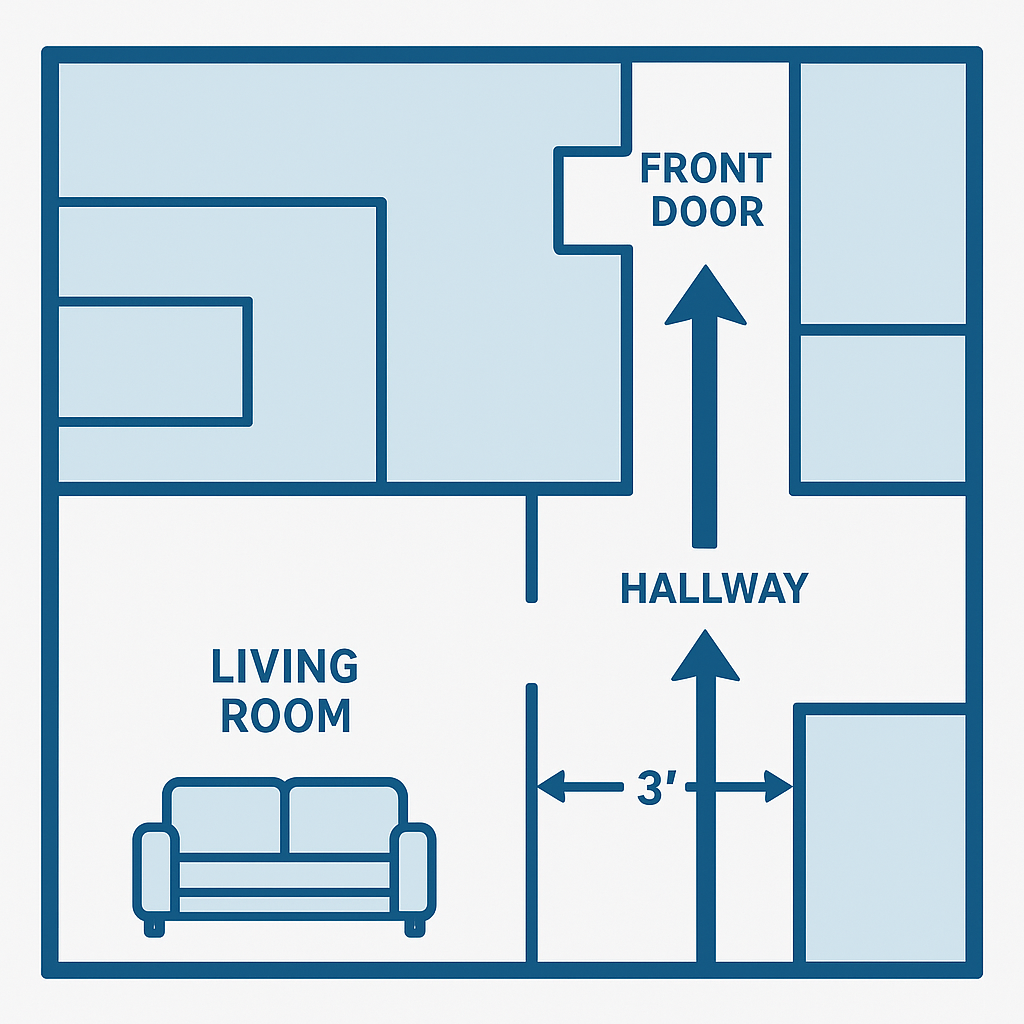
A legitimate piano removal company will ask specific questions before giving you a quote. We want to know what type of piano it is, what floor it’s on, whether there are stairs, how wide the doorways and hallways are, and what the path from the piano to the truck looks like. These details aren’t just curiosity—they determine crew size, equipment needs, and time.
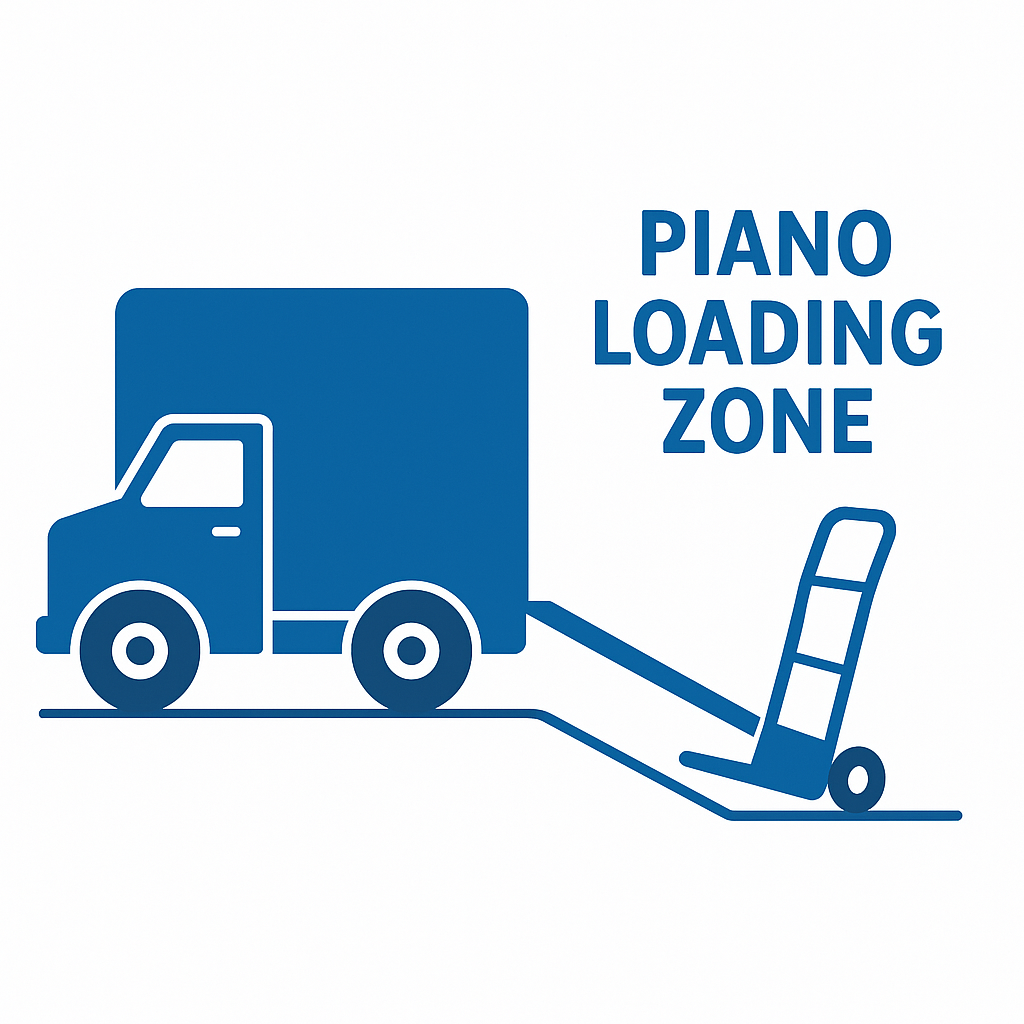
Moving companies—the ones that handle household relocations—often won’t touch piano removal jobs. It’s a liability issue combined with equipment requirements. Piano removal requires furniture dollies rated for the weight, moving blankets, straps designed for the specific shape, and usually a ramp system for getting the instrument into the truck. Most junk removal crews that handle pianos regularly have this gear and the experience to use it.
If you’re dealing with a larger cleanout that includes a piano—like an estate cleanout situation—it often makes sense to handle everything in one appointment. We’ve done plenty of jobs in Laguna Beach and throughout south county where the piano is just one piece of a bigger project.
How to Prep Before the Removal Crew Arrives
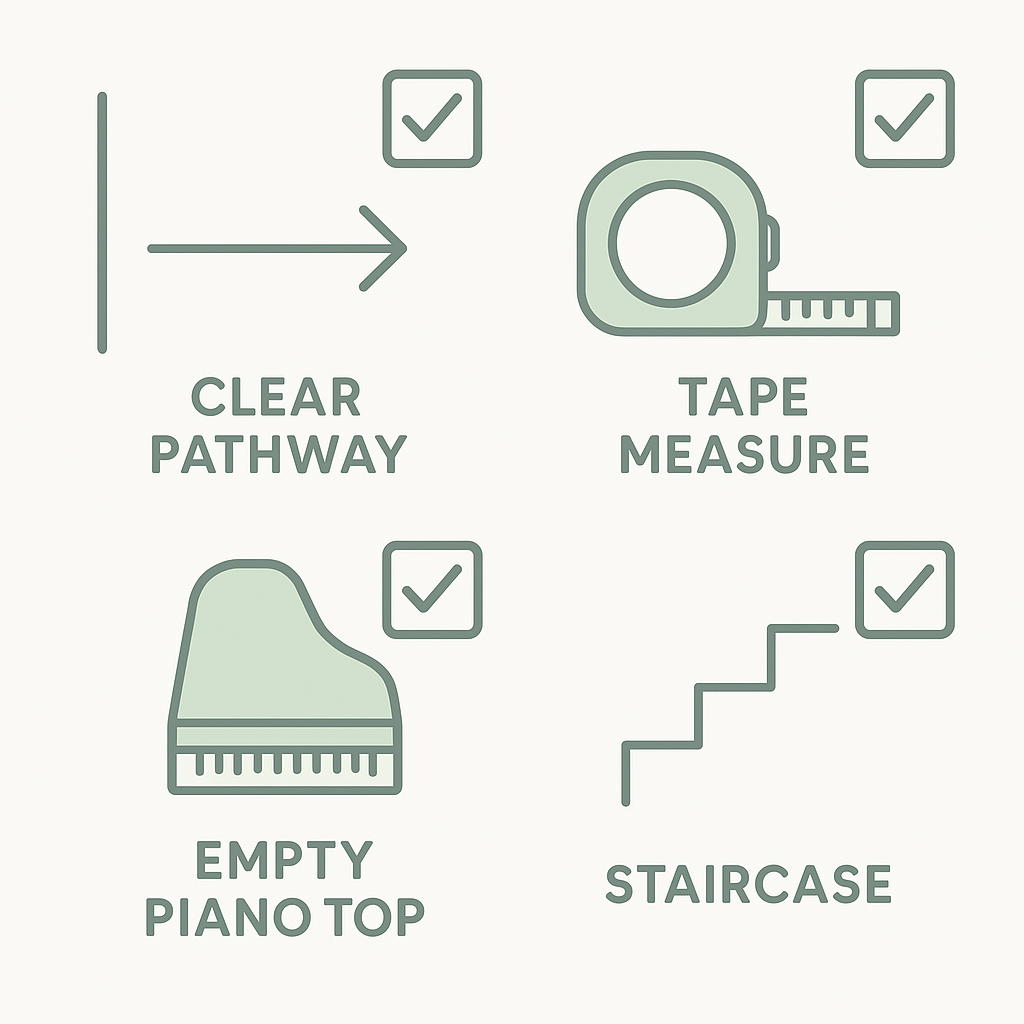
A little prep work on your end makes the removal faster, safer, and less likely to result in scuffed walls. Here’s what actually helps:
- Clear the path completely. Move furniture, rugs, and anything else between the piano and the front door. We’ll protect floors and walls, but fewer obstacles mean a smoother exit.
- Measure your tight spots. If you know a doorway or turn is going to be close, measure it and let us know when you book. A piano that fits through a 32-inch door won’t fit through a 28-inch one.
- Remove what’s on top. Family photos, vases, sheet music, the dust—take everything off the piano before we arrive.
- Communicate about stairs honestly. A second-floor piano is a bigger job than a main-floor piano. We plan crew size and equipment based on what you tell us, so accuracy helps everyone.
What Happens to the Piano After It Leaves Your House?
When a piano can’t be donated, it gets broken down for recycling. The cast iron harp goes to metal recyclers. The wood gets processed separately. Strings, felt, and hardware all have their own disposal streams. This is one reason why DIY disposal rarely works for pianos—you can’t legally dump them, and getting them apart requires knowing what you’re doing.
We track where everything goes because California disposal regulations require it. That might seem like paperwork overkill, but it protects you as the homeowner. If a hauler dumps your piano illegally and someone traces it back to your address, you’re the one who gets the call from code enforcement.
Ready to Get That Piano Out?
If you’ve got a piano that needs to go—whether it’s an old upright that hasn’t been tuned in years or a baby grand that’s seen better days—we handle piano removal throughout Orange County. Schedule a free estimate and we’ll give you a straight answer on what it takes to get it out of your house and disposed of properly.
Frequently Asked Questions
How much does piano removal cost in Orange County?
Pricing depends on the piano type, location in your home, and accessibility. A main-floor upright with a clear path costs less than a baby grand on the second floor with narrow stairs. We provide quotes based on these specifics rather than generic estimates.
Will junk removal companies take a piano that still works?
Yes. We remove pianos regardless of condition. If it’s in good working shape, we’ll explore donation options first. If it’s not, we handle proper recycling and disposal. Either way, it leaves your house.
Can you remove a piano from a second floor or upstairs room?
We do it regularly. Second-floor removals require additional crew members and more time. When you book, give us honest details about stair width, turns, and any tight spots so we come prepared with the right team size.
Do I need to empty everything out of the piano before removal?
Remove items from the top of the piano and the bench. If there’s sheet music or personal items stored inside, take those out. We handle the piano itself—you handle your belongings.
What if my piano is in a garage or outdoor shed?
Garages are often easier than indoor removals because we can back the truck closer. Outdoor sheds depend on the path between the structure and where we can park. Call us at (714) 769-5070 to talk through your specific setup.
Can piano removal be combined with other junk removal on the same day?
Absolutely. If you’re clearing out a garage, handling an estate cleanout, or just getting rid of other bulky items, we can do it all in one trip. Many customers find it more efficient to bundle the piano with everything else that needs to go.
About the Author
Chris — Founder & Owner, United Junk Removal
Chris is the founder and owner of United Junk Removal, a locally owned Orange County junk removal company. A longtime Orange County resident, Chris spent years working in mortgage lending, debt consolidation, and financial restructuring before launching United Junk Removal with a single truck and a commitment to exceptional customer service. Today, the company serves homeowners and businesses throughout Orange County and is expanding into residential moving services. Chris writes about junk removal, moving, property cleanouts, and home service best practices based on his hands-on experience helping customers throughout Southern California.